
Cleaning Equipment Manufacturer Guide: Floor Scrubbers 2026
Choose the right floor scrubber: walk-behind vs ride-on, the six features that matter, industry picks, cost and payback, plus supplier questions.
In This Guide
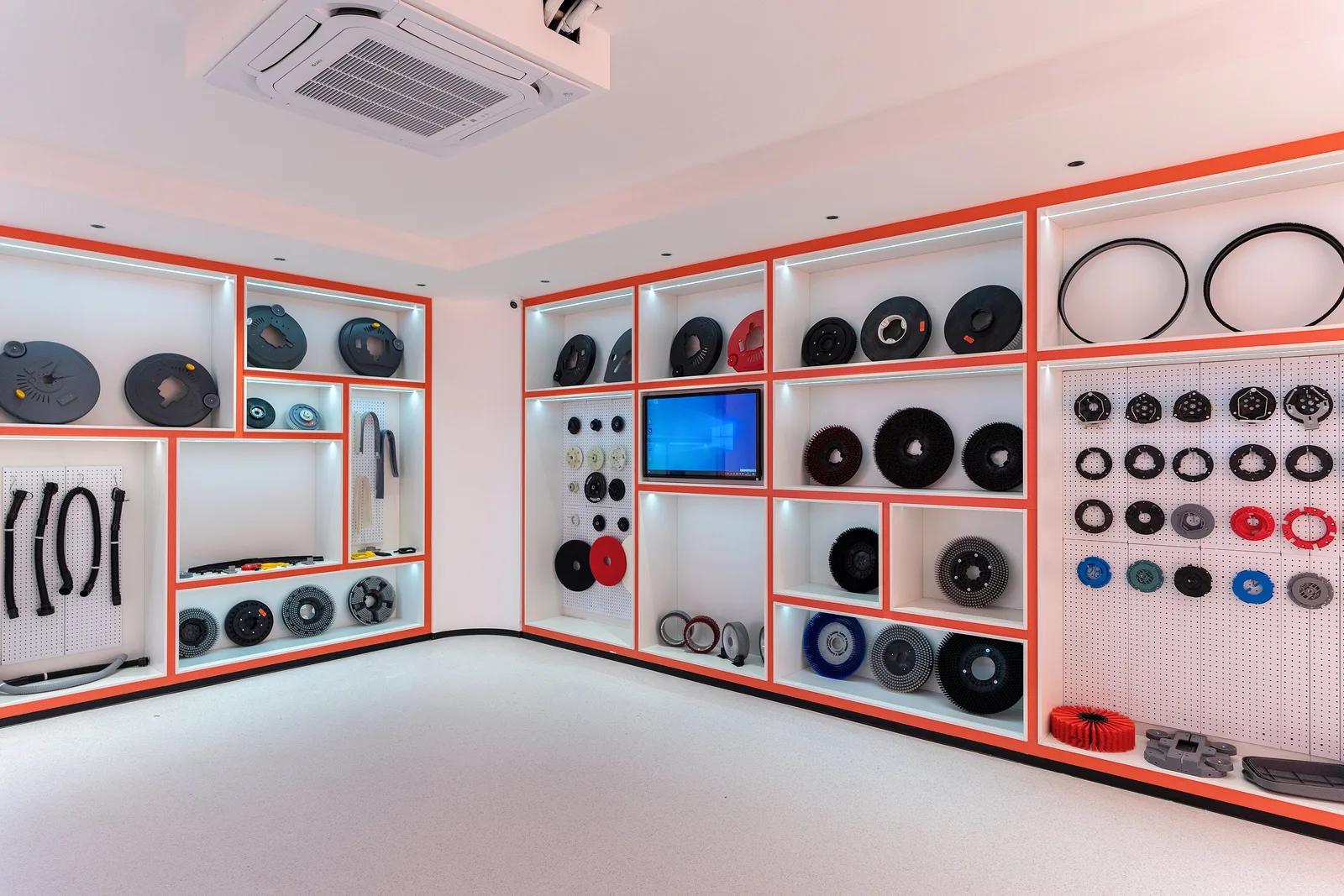
Which Floor Scrubber Do You Need?
The right machine depends on your facility and your cleaning tasks. Before choosing a machine, check your floor area, available storage space, cleaning schedule and budget.
- Walk-behind floor scrubbers suit small and medium-sized areas, narrow aisles, and spaces with many obstacles.
- Ride-on floor scrubbers suit large warehouses, factories, parking facilities, and supermarkets.
- Industrial floor scrubbers handle demanding cleaning tasks on compatible hard floors.
How Does a Floor Scrubber Work?
A floor scrubber uses water, cleaning solution, and a brush or pad to remove dirt from hard floors. A vacuum system and squeegee then collect the dirty water.
This process combines scrubbing and water recovery in one operation. It can reduce manual work and help floors dry faster, depending on the floor condition and machine settings.
For effective commercial cleaning, choose a machine that matches your floor type and cleaning needs.
Walk-Behind vs. Ride-On Floor Scrubbers
A walk-behind model may suit shops, hotels and smaller workshops. A ride-on model may be a better choice for large factories and warehouses.
Compare actual cleaning productivity, not just the manufacturer's maximum rated output. Turns, obstacles, refilling and dirty floors can affect daily performance.
| Feature | Walk-Behind | Ride-On |
|---|---|---|
| Best for | Small and medium-sized areas | Large open spaces |
| Operation | Operator walks behind | Operator sits on the machine |
| Maneuverability | Good for narrow spaces | Better for open areas |
| Main benefit | Flexible operation | Efficient large-area cleaning |
| Key considerations | Size, tank capacity, runtime | Cleaning width, productivity, runtime |
Choose a Machine for Your Industry
Factories and warehouses. Factory and warehouse floors may collect dust, oil, tire marks and production residue. Check brush options, cleaning width, tank capacity and battery runtime. For heavy oil or grease, ask the supplier to test the machine on a representative surface.
Hotels and offices. Hotels and offices often need compact machines that can move around furniture and narrow corridors. Walk-behind models may suit these areas, while larger lobbies may need wider cleaning paths.
Supermarkets and parking facilities. Supermarkets need regular cleaning with minimal disruption to customers. Parking facilities often have larger areas and different floor conditions. Check turning space, surface type and water recovery before choosing a model.
Six Features to Compare
Compare these six points across every machine on your shortlist, using the same units and the same floor conditions.
- Cleaning width. A wider cleaning path can cover more floor in each pass. However, a smaller machine may work better in narrow aisles.
- Tank capacity. The clean-water tank holds the cleaning solution; the recovery tank collects dirty water. Larger tanks may reduce refilling stops, but they do not guarantee higher productivity.
- Brush type. Choose brushes or pads that suit your floor material and dirt level. The wrong brush can damage some floor finishes.
- Battery runtime. Check how long the machine runs under normal working conditions. Also compare charging time and replacement battery costs.
- Water recovery. The squeegee and vacuum system collect dirty water after scrubbing. Good recovery helps reduce wet patches and slip risks.
- Maintenance and spare parts. Ask about replacement brushes, squeegee blades, batteries, chargers, warranty and technical support before buying.
Floor Scrubber or Carpet Extractor?
These machines serve different purposes. A floor scrubber uses brushes or pads to clean hard surfaces and recover dirty water. A carpet extractor applies cleaning solution to carpet fibers and removes soil and moisture.
Do not use a standard hard-floor scrubber on carpet unless the manufacturer confirms that the machine is suitable. Explore our commercial floor scrubber range to compare hard-floor cleaning solutions: https://aikeruiclean.com/floor-scrubbers
| Machine | Main use |
|---|---|
| Floor scrubber | Cleaning compatible hard floors |
| Carpet extractor | Cleaning carpets and suitable textile surfaces |
Five Buying Mistakes to Avoid
Most disappointing purchases trace back to one of these five points.
- Choosing by price alone. Compare maintenance, consumables, batteries and service costs.
- Ignoring floor layout. Check doorways, aisles and turning space.
- Assuming a larger tank means faster cleaning. Productivity also depends on cleaning width, water use and floor conditions.
- Using the wrong brush or chemical. Confirm compatibility with your floor.
- Overlooking after-sales support. Check spare-parts availability and repair times.
Cost, ROI and Choosing a Supplier
The price of a commercial floor scrubber depends on its size, cleaning width, tank capacity, battery system and features. Request quotes from at least three suppliers. Compare the same specifications, warranty terms, spare parts and delivery conditions. Include a factory-direct option when appropriate.
How to estimate payback. Payback period = Initial investment ÷ Monthly net savings. For example, a machine costing $6,000 with $500 in verified monthly net savings would have a simple payback period of 12 months. This is an example, not a quote or a performance claim for a specific machine.
About Aikerui. Aikerui's company information states that the business was founded in 2008, has more than 10,000 square meters of facility space, and serves customers in more than 50 countries. The company also reports CE and ISO 9001 credentials. Buyers should confirm the relevant certification and scope for the specific product.
When comparing industrial cleaning equipment suppliers, review product specifications, quality documents, service support and delivery terms. These details help you select a machine that fits your facility and budget. Contact the supplier with your floor area, floor type, cleaning schedule and delivery destination to request a suitable quotation.
- What floor types can the machine clean?
- What are its cleaning width and tank capacities?
- How long does the battery run, and how long does it take to charge?
- Which brushes and spare parts are available?
- What warranty and technical support do you provide?
- What are the minimum order quantity and delivery lead time?
- Can you provide a product demonstration?
Frequently Asked Questions
Answers to the questions buyers ask most often before ordering a floor scrubber.
- What is the best floor scrubber for a warehouse? A ride-on floor scrubber may suit a large, open warehouse. A walk-behind model may work better in narrow aisles or crowded storage areas.
- How do I choose the right machine size? Check the floor area, aisle width, doorways, floor type and cleaning schedule. Then compare cleaning width, tank capacity and battery runtime.
- How much area can one tank clean? Coverage depends on tank capacity, water flow, dirt levels, floor type and machine settings. Ask the supplier for test results under similar conditions.
- How long does a floor scrubber battery last? Runtime depends on battery capacity, machine load and operating conditions. Ask for realistic runtime and charging figures for the model you plan to buy.
- Can a floor scrubber clean carpets? Only use a machine on carpet if the manufacturer confirms it is designed for that surface. Standard hard-floor scrubbers are not automatically suitable for carpet.
- What should I compare when buying from a supplier? Compare machine specifications, price, warranty, spare parts, delivery time and after-sales support. Request comparable quotations from at least three suppliers.
Related Guides
Ready to Get Factory-Direct Pricing?
Get a quote within 24 hours. No middlemen — buy direct from the manufacturer and save 30-50%.
About the Author
Mark Xu is Sales Director at Aikerui with 15+ years of experience in industrial floor cleaning equipment. He has helped 2,000+ facilities across 50+ countries source factory-direct cleaning equipment.
About Aikerui
Aikerui is an industrial cleaning equipment manufacturer founded in 2008, operating its own 10,000+ square meter production facility in Anqing, Anhui, China. It manufactures floor scrubbers, sweepers and replacement parts, holds CE and ISO 9001 certification, and exports to 50+ countries. Every guide on this site is written by the manufacturer's own team — not a third-party agency.