
How to Read a Floor Scrubber Spec Sheet
Learn to decode floor scrubber specification sheets. Understand cleaning width, brush pressure, tank capacity, battery voltage, productivity ratings.
In This Guide
Don't Buy Based on Marketing — Buy Based on Specs
Two machines can look identical and cost $5,000 different. The difference is in the specifications. Understanding these 15 numbers helps you compare machines objectively and avoid paying for features you don't need.
The 15 Specs That Matter
Cleaning width (inches), Productivity (sq ft/hr), Brush RPM, Brush pressure (kg), Motor power (HP/W), Battery voltage (V) and type, Runtime (hours), Charge time, Solution tank (gallons), Recovery tank (gallons), Machine weight (lbs), Dimensions, Squeegee width, Noise level (dB), IP rating.
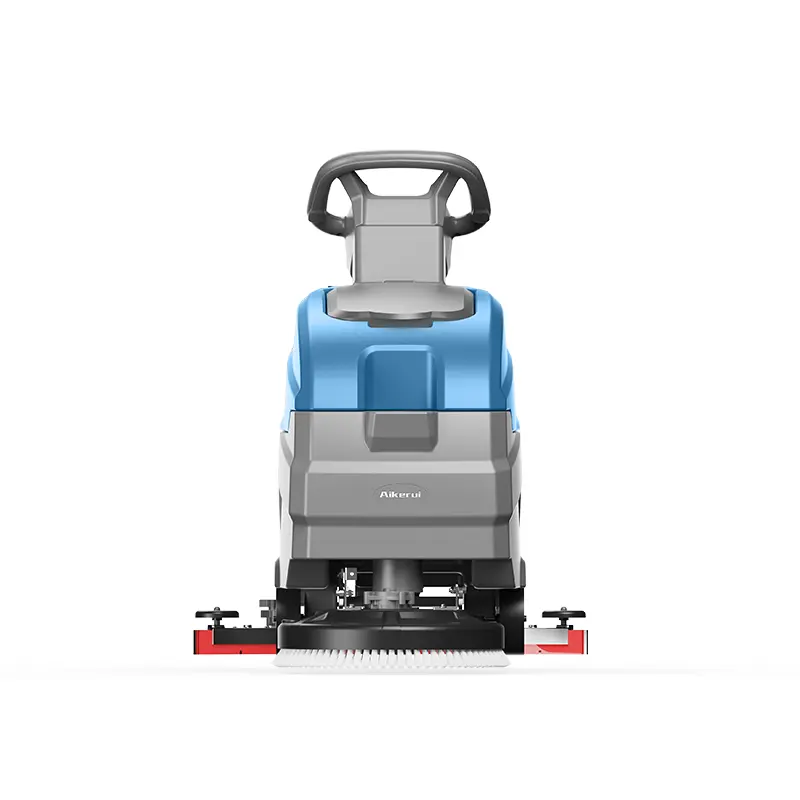
- Cleaning width x 2.5 ≈ squeegee width. Under 20-inch = compact, 28+ = industrial.
- Productivity is theoretical — real-world is 60-70% of rated number.
- Brush pressure under 40kg = light duty. 60-100kg = industrial degreasing.
- Battery: 24V standard for walk-behind, 36V for ride-on. Lithium vs lead-acid changes everything.
- Tank capacity determines refill frequency. 10 gal = ~25 min runtime; 30 gal = ~75 min.
Red Flags in Spec Sheets
Watch for: missing brush pressure (it's weak), 110V corded-only (limited mobility), 'estimated' productivity (likely inflated), no noise rating (it's loud), and weight listed without batteries (common trick to appear lighter).
Related Guides
Browse Machines by Type
Ready to Get Factory-Direct Pricing?
Get a quote within 24 hours. No middlemen — buy direct from the manufacturer and save 30-50%.
About the Author
Mark Wang is Sales Director at Aikerui with 15+ years of experience in industrial floor cleaning equipment. He has helped 2,000+ facilities across 50+ countries source factory-direct cleaning equipment.
About Aikerui
Aikerui is an industrial cleaning equipment manufacturer founded in 2008, operating its own 10,000+ square meter production facility in Anqing, Anhui, China. It manufactures floor scrubbers, sweepers and replacement parts, holds CE and ISO 9001 certification, and exports to 50+ countries. Every guide on this site is written by the manufacturer's own team — not a third-party agency.